The shape of Kathmandu's fruit aisle has changed faster than almost any other category in retail food in the past five years. Tracking import volumes, retail price evolution, and customer orders, we can put numbers on what used to be intuition: exotic fruits are no longer luxuries you buy once a year. Some of them are weekly staples for a meaningful share of urban Nepali households. This is the data-led picture of where the market is in 2026.
How demand changed in Kathmandu
From our internal order data and conversations with major importers, three patterns stand out:
- Avocado has shifted from luxury to staple. Retail volume has grown sharply over the past several years and unit prices have eased as the supply chain has matured.
- Dragon fruit is among the fastest-growing categories. Most of that growth is white-flesh dragon fruit; red flesh remains a smaller premium segment.
- Berries (blueberry primarily) have compounded steadily. Year-on-year retail volume growth has been a consistent double-digit trend across our order history.
The eight exotic fruits that matter
The list below is ordered by retail volume in Kathmandu in 2026 (largest first), with concrete price and origin information drawn from our intake records and informal benchmarks across retail.
1. Avocado
Now the largest exotic fruit by retail volume in Kathmandu. Hass and Fuerte are the two common varieties. Origins: Peru, Mexico, occasionally Colombia. Some local pilot production exists but volume is small. See our avocado page for current stock.
- 2026 price: Rs. 150 – 350 per piece, varying by size and ripeness.
- Best for: spreads, smoothies, salads, baby food.
- Tip: buy a few firm and a few ripe to manage the eat-by window.
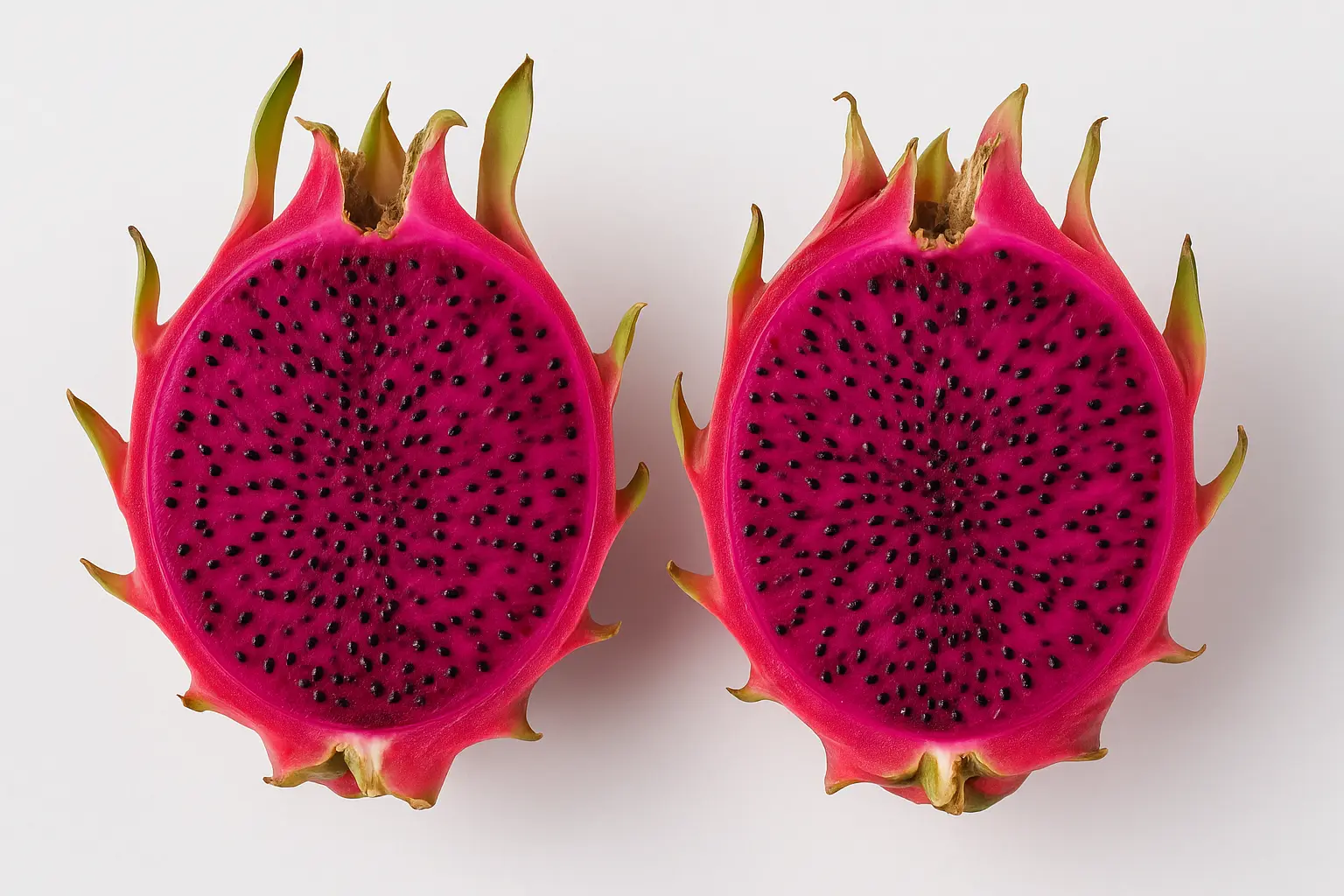
2. Dragon fruit (Pitaya)
The Instagram fruit that became a real category. White-flesh is dominant; red-flesh is a premium segment. Origins: Vietnam, Thailand, with growing local Terai production.
- 2026 price: Rs. 300 – 600 per piece.
- Best for: smoothie bowls, fruit salads, fresh eating.
- Tip: select fruit with green scale tips and slight give to the touch.
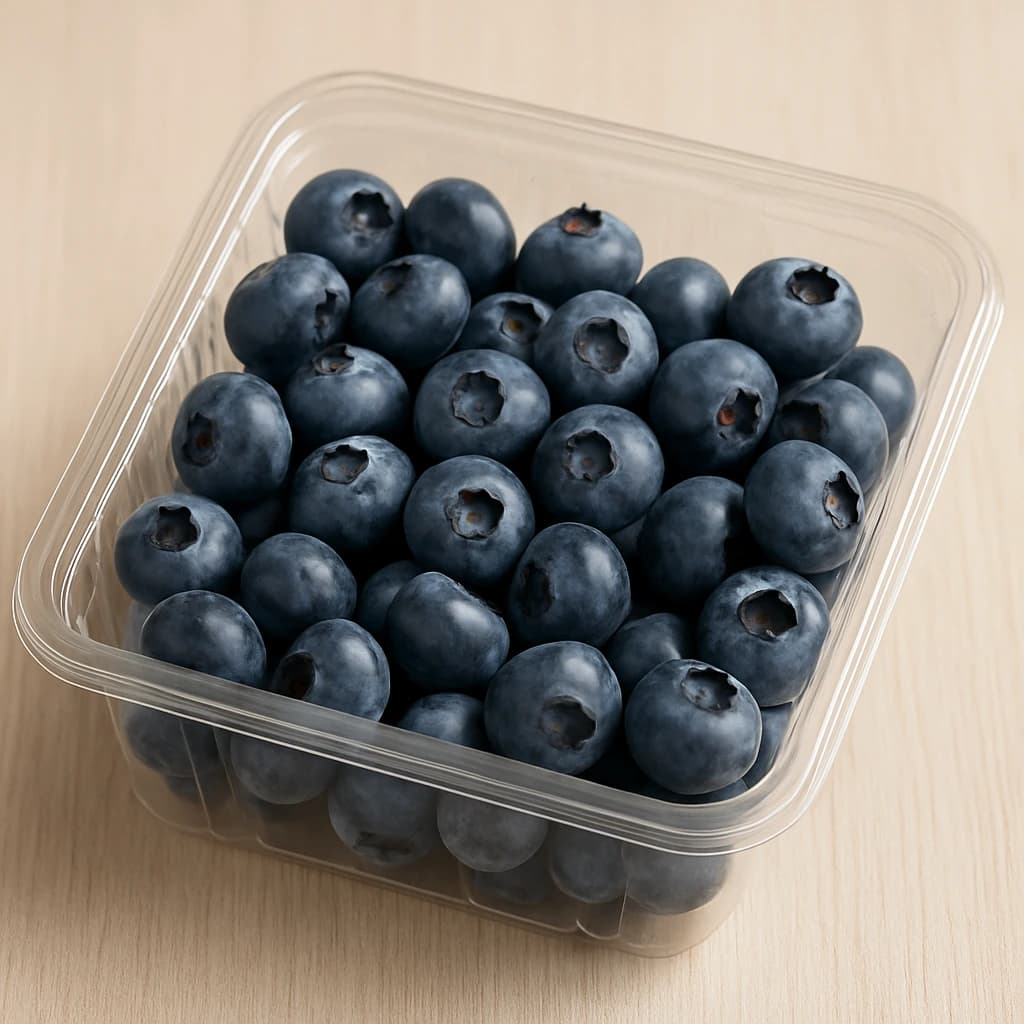
3. Blueberry
The antioxidant standard. Origins: USA, Chile, Peru. We covered blueberries in detail in our dedicated guide.
- 2026 price: Rs. 600 – 1,000 per 125 g.
- Best for: oats, yogurt, baking, smoothies.
4. Kiwi
Higher Vitamin C density than oranges. Origins: New Zealand, Italy, occasionally Iran. Green and gold (golden kiwi) varieties are both available. See our kiwi page for current availability.
- 2026 price: Rs. 80 – 150 per piece.
- Best for: fresh eating, fruit salads, breakfast plates.
5. Passion fruit
Intensely aromatic; a small amount goes a long way. Origins: Vietnam, India, occasionally local in season. Availability is inconsistent.
- 2026 price: Rs. 100 – 200 per piece.
- Best for: juice, desserts, cocktails, sauces.
6. Cherry (Bing, Rainier)
Premium seasonal. Detailed in our cherry buying guide.
- 2026 price: Rs. 2,500 – 6,000 per kg.
- Best season: May – August.
7. Rambutan
The hairy lychee cousin. Available seasonally from Thailand and Vietnam. Volumes are small.
- 2026 price: Rs. 800 – 1,400 per kg.
- Best for: fresh eating; small, sweet, mildly acidic.
8. Mangosteen
The “queen of fruits.” Premium and rare. Sometimes appears in October–December and again in May–June.
- 2026 price: Rs. 1,200 – 2,000 per kg.
- Best for: fresh eating; delicate, fragrant, expensive.
Seasonal availability matrix
| Fruit | Best months | Year-round availability |
|---|---|---|
| Avocado | Year-round | Yes |
| Dragon fruit | Year-round | Yes |
| Blueberry | Year-round | Yes |
| Kiwi | Year-round (origin shifts seasonally) | Yes |
| Passion fruit | Apr – Sep | Inconsistent off-season |
| Cherry | May – Aug peak; Nov – Feb premium | Two-window |
| Rambutan | May – Aug | Seasonal only |
| Mangosteen | May – Jun, Oct – Dec | Two short windows |
- Best months
- Year-round
- Year-round availability
- Yes
- Best months
- Year-round
- Year-round availability
- Yes
- Best months
- Year-round
- Year-round availability
- Yes
- Best months
- Year-round (origin shifts seasonally)
- Year-round availability
- Yes
- Best months
- Apr – Sep
- Year-round availability
- Inconsistent off-season
- Best months
- May – Aug peak; Nov – Feb premium
- Year-round availability
- Two-window
- Best months
- May – Aug
- Year-round availability
- Seasonal only
- Best months
- May – Jun, Oct – Dec
- Year-round availability
- Two short windows
2026 price overview
| Fruit | Per unit / per kg | Recent direction |
|---|---|---|
| Avocado | Rs. 150 – 350 / piece | Easing as supply has scaled |
| Dragon fruit | Rs. 300 – 600 / piece | Stable; volume growing |
| Blueberry | Rs. 600 – 1,000 / 125 g | Stable |
| Kiwi | Rs. 80 – 150 / piece | Easing |
| Passion fruit | Rs. 100 – 200 / piece | Stable |
| Cherry | Rs. 2,500 – 6,000 / kg | Stable, season-driven |
| Rambutan | Rs. 800 – 1,400 / kg | Slightly up |
| Mangosteen | Rs. 1,200 – 2,000 / kg | Stable; thin market |
- Per unit / per kg
- Rs. 150 – 350 / piece
- Recent direction
- Easing as supply has scaled
- Per unit / per kg
- Rs. 300 – 600 / piece
- Recent direction
- Stable; volume growing
- Per unit / per kg
- Rs. 600 – 1,000 / 125 g
- Recent direction
- Stable
- Per unit / per kg
- Rs. 80 – 150 / piece
- Recent direction
- Easing
- Per unit / per kg
- Rs. 100 – 200 / piece
- Recent direction
- Stable
- Per unit / per kg
- Rs. 2,500 – 6,000 / kg
- Recent direction
- Stable, season-driven
- Per unit / per kg
- Rs. 800 – 1,400 / kg
- Recent direction
- Slightly up
- Per unit / per kg
- Rs. 1,200 – 2,000 / kg
- Recent direction
- Stable; thin market
How to buy without overpaying
- Buy in season for the seasonal items. Cherries in June cost half what they cost in December. Don't buy off-season unless you specifically want it.
- Compare a piece price against weight. Some items (avocado, dragon fruit) are sold per piece — a small piece at the same price as a big one is a worse deal.
- Use online direct for predictable categories. Avocado, dragon fruit, blueberry are well-handled online. Passion fruit and rambutan are better bought in person when you can.
- Don't pay for novelty. A “rare premium imported X” at three times the standard price is usually marketing. The fruit world isn't that mysterious.
Common pitfalls
- Buying ripe avocados in bulk. They turn overnight. Buy half firm, half ripe.
- Refrigerating dragon fruit before ripening. Cold halts the ripening process. Leave it at room temperature until soft, then chill.
- Storing berries in sealed plastic. Trapped humidity is a mold accelerator.
- Picking smooth-skinned passion fruit. Wrinkled skin is the ripeness signal. Smooth means unripe.
Storage rules that actually matter
The single biggest mistake we see customers make with exotic fruits is treating them like apples — refrigerating immediately. Most exotic fruits ripen on the counter and only benefit from cold once ready to eat:
- Refrigerate after ripening: avocado, dragon fruit, mango, kiwi, passion fruit. Cold halts ripening and blunts flavor on unripe fruit.
- Refrigerate immediately: blueberry, cherry, rambutan, mangosteen — these are ripe at purchase and decline rapidly at room temperature.
- Never refrigerate: bananas (skin browns; flesh is unaffected but it looks bad).
When in doubt: leave on the counter for a day, then chill once the fruit gives slightly to pressure.
Browse all current exotic and fresh fruits, our dragon fruit page, or the full fruits category.
- USDA FoodData Central — Nutritional reference for individual fruits.
- FAO Fruit Trade Statistics — Reference for global trade and import patterns.