The word “organic” gets used loosely in Nepal's retail food market. Some of it is third-party certified produce you can verify; some of it is conventional fruit being marketed opportunistically. This guide is meant to help you tell the difference, decide when organic is worth paying for, and find the best of what's actually grown organically in Nepal.
What “organic” actually means in Nepal
In a regulatory sense, organic produce is grown without synthetic pesticides, herbicides, or chemical fertilizers, and without genetically modified inputs. Soil management is done through composting, crop rotation, and natural amendments. That definition is consistent globally.
In Nepal, the relevant standard is Nepal Organic — administered through the Department of Agriculture and the National Coordination Committee for Organic Agriculture Production and Processing System. Producers who want to label their fruit as organic for the domestic market need either a Nepal Organic certificate or equivalent third-party certification (USDA, EU, or PGS). Without one of these, “organic” is a marketing claim, not a verifiable status.
Certifications worth checking
- Nepal Organic: The national standard. Look for the green-and-white logo and certificate number. The issuing body maintains a public registry.
- PGS (Participatory Guarantee System): A community-audited certification used widely by small farmer groups. Less centralized than Nepal Organic but still third-party verified.
- USDA Organic: United States standard, common on imported fruits like blueberries, apples, and citrus.
- EU Organic (green leaf logo): Common on European imports.
- JAS Organic: Japanese standard. Rare in Nepal but occasionally seen on premium fruit.
Locally grown organic fruits
Nepal's geography is genuinely ideal for organic horticulture. High altitude reduces pest pressure; small farm sizes make mechanized chemical application less common to begin with. The following are the local fruits most consistently available with credible organic certification:
- Apples (Mustang & Jumla): High-altitude apples grown in cool, dry conditions with naturally lower pest pressure. Several Mustang cooperatives are certified.
- Oranges / Suntala (Sindhuli, Ramechhap): A growing number of organic-certified suntala farms in the mid-hills.
- Lemons and Lapsi: Often genuinely chemical-free because pest pressure is naturally low.
- Pomegranates (Western Nepal): Certified producers in Dailekh and Kalikot.
- Strawberries (Nuwakot, Chandragiri): Small farmer groups producing organically; quality is high in season.
- Bananas (Terai): Conventional banana farming uses substantial pesticides; organic is rarer but available from specific cooperative groups.
Imported organic options
Imported organic fruit has the highest reliability of label accuracy because the certifying bodies (USDA, EU) have established enforcement mechanisms. Imported organic in Kathmandu typically includes:
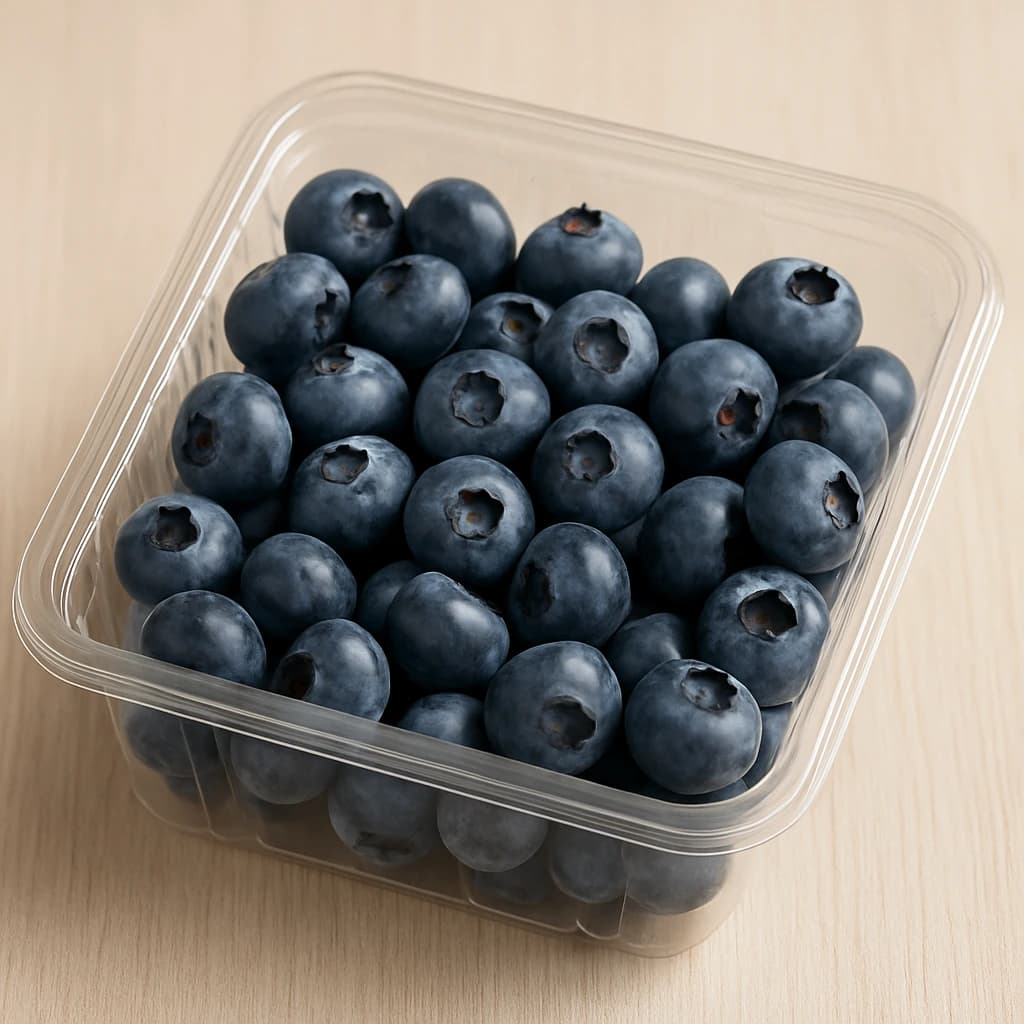
- Blueberries (USA, Chile)
- Avocados (Peru, Mexico — limited)
- Kiwi (New Zealand, Italy)
- Apples (premium Washington and EU varieties)
- Dragon fruit (Vietnam — limited certified supply)
Expect organic imports to cost 25–60% more than their conventional equivalents. For families prioritizing residue avoidance, the common practical rule of thumb is to spend the premium on fruits eaten with the skin (apples, berries, grapes) and skip it on fruits with thick inedible skin (bananas, citrus, avocado).
Seasonal calendar
| Season | Local organic fruit at peak |
|---|---|
| Spring (Mar – May) | Strawberries, lemons, late citrus, lapsi |
| Summer (Jun – Aug) | Mangoes (Terai), peaches, plums, litchi |
| Autumn (Sep – Nov) | Apples (Mustang & Jumla), pomegranates, oranges starting |
| Winter (Dec – Feb) | Oranges (peak), grapefruits, persimmons, late apples |
- Local organic fruit at peak
- Strawberries, lemons, late citrus, lapsi
- Local organic fruit at peak
- Mangoes (Terai), peaches, plums, litchi
- Local organic fruit at peak
- Apples (Mustang & Jumla), pomegranates, oranges starting
- Local organic fruit at peak
- Oranges (peak), grapefruits, persimmons, late apples
How to spot real organic produce
- Ask for the certificate number. Reputable sellers will show it. Cross-check against the certifying body's public registry.
- Visual cues are imperfect. Real organic produce is often less uniform — odd shapes, smaller sizes, occasional blemishes. But uniformity isn't proof of conventional farming, and irregularity isn't proof of organic.
- Beware unbranded markets. Loose fruit at traditional bazaars is rarely certified, regardless of how it's described verbally.
- Buy from sellers who can name the farm. Direct relationships are the most reliable signal. If your seller knows the farmer and grew the relationship over years, the chain is short enough to trust.
On pesticide residue in Nepal
Nepal's Plant Quarantine and Pesticide Management Centre publishes periodic surveys of pesticide residue in retail produce sold in Kathmandu. The picture is uneven: some categories (leafy greens, certain imported fruits) show frequent residues above tolerance limits; others (high-altitude apples, locally grown citrus) are typically clean.
For households trying to limit residue intake, the practical actions in order of impact are: (1) wash all produce in cold water with a soft brush; (2) prioritize organic for fruits eaten with skin; (3) buy local from sellers with farmer relationships; (4) rotate sources rather than relying on a single channel.
Cost: when paying for organic actually pays off
Organic fruit costs 25–60% more than conventional. The honest question for a household budget is: which categories give the best return on that premium?
| Category | Premium worth paying? | Reason |
|---|---|---|
| Berries (blueberry, strawberry) | Yes | Eaten with skin; routine residue testing flags conventional samples |
| Apples (especially Mustang/Jumla) | Yes | Skin retains residues; high-altitude organic is also genuinely cleaner |
| Grapes | Yes | Heavy spray crop; skin is eaten |
| Stone fruit (peaches, plums) | Worth it in season | Tender skin holds residue |
| Bananas | Probably skip | Thick inedible skin protects fruit |
| Citrus (oranges, lemons) | Skip if peeling, buy if zesting | Skin holds wax and treatments |
| Avocado | Skip | Thick inedible skin |
| Pineapple, kiwi, melons | Skip | Inedible skin; peeled before eating |
- Premium worth paying?
- Yes
- Reason
- Eaten with skin; routine residue testing flags conventional samples
- Premium worth paying?
- Yes
- Reason
- Skin retains residues; high-altitude organic is also genuinely cleaner
- Premium worth paying?
- Yes
- Reason
- Heavy spray crop; skin is eaten
- Premium worth paying?
- Worth it in season
- Reason
- Tender skin holds residue
- Premium worth paying?
- Probably skip
- Reason
- Thick inedible skin protects fruit
- Premium worth paying?
- Skip if peeling, buy if zesting
- Reason
- Skin holds wax and treatments
- Premium worth paying?
- Skip
- Reason
- Thick inedible skin
- Premium worth paying?
- Skip
- Reason
- Inedible skin; peeled before eating
The general principle: spend the premium on fruits where you eat the skin. Skip it where the skin is removed. Households that follow this pattern get most of the residue-reduction benefit at a small fraction of a fully-organic shopping cost.
Washing produce: what actually works
Even organic produce should be washed before eating. The evidence on different methods:
- Cold running water + soft brush: Removes surface dirt, microbes, and a meaningful share of residual pesticide. The single most effective method for the effort.
- Salt water soak (1 tbsp salt per litre, 5 min): Slightly more effective than plain water on some pesticide classes. Don't soak berries — they absorb water.
- Baking soda solution (1 tsp per litre, 12–15 min): Best-evidenced approach for surface pesticide removal in laboratory tests. Rinse thoroughly afterwards.
- Vinegar: Popular online but not meaningfully more effective than plain water.
- Commercial “fruit wash” products: Marginal benefit over baking soda solution at higher cost.
Browse our organic and farm-fresh fruits catalog or our full fruits category. For deeper coverage of seasonal vegetables, see our month-by-month vegetables guide.
- Nepal Department of Agriculture — Organic Agriculture — Nepal Organic standard and certified producer registry.
- USDA National Organic Program — Reference standard for imports labeled USDA Organic.
- EU Organic Logo and Standard — EU green leaf logo definition and audit framework.